Gutters and corrugated pipes

Cable trunking and corrugated conduit are essential for protecting and routing wiring in any electrical installation, whether in homes, shops or renovations. At GreenIce you'll find Tupersa corrugated conduit in the most common diameters, so you can get all the materials for your lighting installation in a single order.

Types of corrugated conduit available

  • 20 mm black corrugated conduit: the most widely used diameter for lighting and socket circuits embedded in partition walls.
  • 25 mm black corrugated conduit: takes more conductors or larger cross-sections, common for kitchen or air-conditioning supply lines.
  • 20 mm reinforced (double-wall) corrugated conduit: with greater crush resistance, recommended for embedding in floors, screeds or areas under heavier load.
  • 32 mm reinforced (double-wall) corrugated conduit: for branch lines, main feeds or when you need to run many cables along the same route.

Uses of corrugated conduit

Corrugated conduit is flexible, lightweight and easy to bend without tools, making it perfect for embedding in brick or drywall, running cables through suspended ceilings or protecting the line that feeds a fixture, an LED driver or an LED strip. It also lets you replace or add cables later without having to break open the wall.

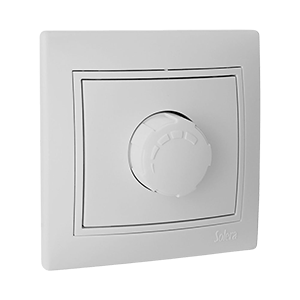
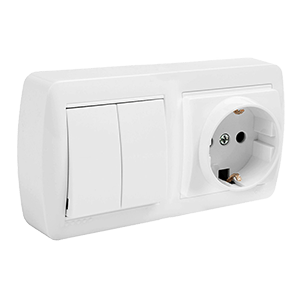
Find the rest of the materials you need in installation materials and LED components and in our switches and dimmers section.

How to choose the right corrugated conduit

Diameter

Choose the diameter according to the number and cross-section of the cables that will run through it. As a practical rule, the wiring shouldn't take up more than half the internal space, so you can pull and remove cables easily.

Standard or reinforced

Standard conduit is enough in walls and ceilings. If it's embedded in a floor or may be subject to knocks or pressure, use reinforced conduit.

Location

For exposed or surface installations, consider using cable trunking or rigid conduit, which offer a better finish and mechanical protection.

Frequently asked questions

What diameter should I use for a lighting circuit?

In a home, 20 mm conduit is the most common for lighting circuits.

Can I embed standard corrugated conduit in the floor?

It's better to use reinforced conduit, which withstands compression better.

At GreenIce we offer fast shipping, the manufacturer's official warranty and technical advice so you can complete your installation without forgetting anything.


Gutters and corrugated pipes

Cable trunking and corrugated conduit are essential for protecting and routing wiring in any electrical installation, whether in homes, shops or renovations. At GreenIce you'll find Tupersa corrugated conduit in the most common diameters, so you can get all the materials for your lighting installation in a single order.

Types of corrugated conduit available

  • 20 mm black corrugated conduit: the most widely used diameter for lighting and socket circuits embedded in partition walls.
  • 25 mm black corrugated conduit: takes more conductors or larger cross-sections, common for kitchen or air-conditioning supply lines.
  • 20 mm reinforced (double-wall) corrugated conduit: with greater crush resistance, recommended for embedding in floors, screeds or areas under heavier load.
  • 32 mm reinforced (double-wall) corrugated conduit: for branch lines, main feeds or when you need to run many cables along the same route.

Uses of corrugated conduit

Corrugated conduit is flexible, lightweight and easy to bend without tools, making it perfect for embedding in brick or drywall, running cables through suspended ceilings or protecting the line that feeds a fixture, an LED driver or an LED strip. It also lets you replace or add cables later without having to break open the wall.

Find the rest of the materials you need in installation materials and LED components and in our switches and dimmers section.

How to choose the right corrugated conduit

Diameter

Choose the diameter according to the number and cross-section of the cables that will run through it. As a practical rule, the wiring shouldn't take up more than half the internal space, so you can pull and remove cables easily.

Standard or reinforced

Standard conduit is enough in walls and ceilings. If it's embedded in a floor or may be subject to knocks or pressure, use reinforced conduit.

Location

For exposed or surface installations, consider using cable trunking or rigid conduit, which offer a better finish and mechanical protection.

Frequently asked questions

What diameter should I use for a lighting circuit?

In a home, 20 mm conduit is the most common for lighting circuits.

Can I embed standard corrugated conduit in the floor?

It's better to use reinforced conduit, which withstands compression better.

At GreenIce we offer fast shipping, the manufacturer's official warranty and technical advice so you can complete your installation without forgetting anything.