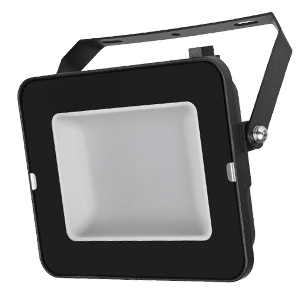
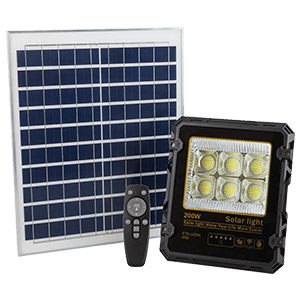
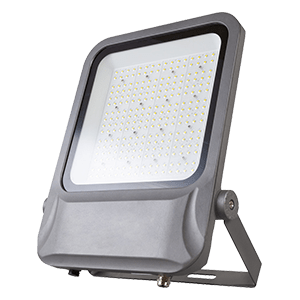
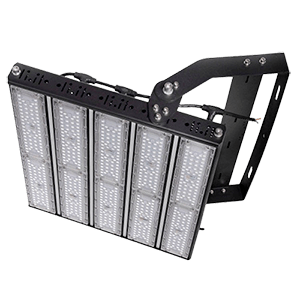
Outdoor LED Flood Lights CCT

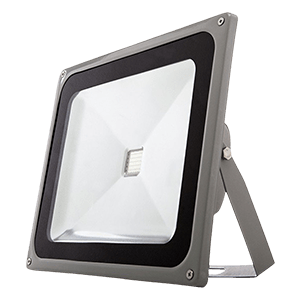
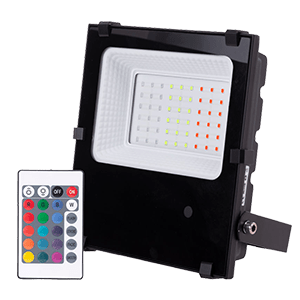
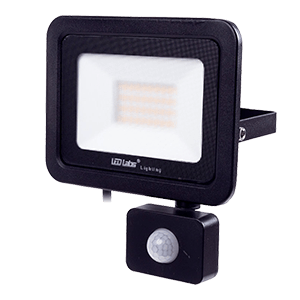
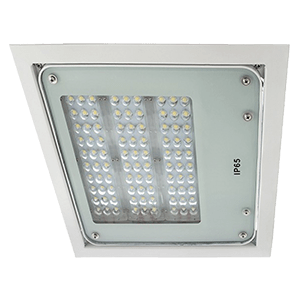
CCT LED floodlights are outdoor luminaires that combine high light output, energy efficiency and the option to select the colour temperature on the fitting itself. Thanks to CCT technology, a single floodlight can deliver warm, neutral or cool white light, adapting to every project without the need to switch to a different product code. At GreenIce you will find them at the best price, with the quality and savings your installations need.

What is CCT technology?

CCT stands for Correlated Color Temperature. CCT floodlights feature a selector that lets you set the tone of the light at the time of installation, choosing between several colour temperatures depending on the model.

This feature offers two clear advantages: it lets you consolidate the product codes you keep in stock —one floodlight covers every light tone— and makes it easy to match the lighting to the actual use of the space once mounted, without replacing the fitting.

Colour temperatures and recommended uses

Colour temperature is measured in degrees Kelvin (K) and determines how the lit space is perceived. Below are the most common light tones available in CCT floodlights and their recommended application:

Temperature

Light tone

Visual effect

Recommended use

3000K

Warm white

Cosy, comfortable atmosphere with a yellowish light.

Living areas: gardens, terraces, porches, residential façades, hospitality venues.

4000K

Neutral white

Balanced, natural light with no eye strain.

General use: entrances, car parks, courtyards, walkways and outdoor retail areas.

6000K / 6500K

Cool white

Maximum sense of brightness and sharpness.

Technical use: industrial units, warehouses, logistics areas, sports pitches and security zones.

Rule of thumb: the more functional or technical the task, the cooler the light tone should be. For spaces where comfort comes first, choose warm or neutral tones.

Advantages of CCT LED floodlights

  • Versatility on site: a single product code covers every light tone, reducing stock and ordering errors.
  • High energy efficiency: a high lumens-per-watt ratio (lm/W) compared with conventional lighting systems.
  • Long service life: less maintenance and fewer replacements over the lifetime of the installation.
  • Weather resistance: rugged housings and high IP ratings to protect against dust, moisture and water.
  • Even light distribution: optical systems designed to reduce shadows and make better use of the luminous flux.

Uses of CCT LED floodlights

These floodlights are particularly suited to façade lighting, car parks, industrial zones, warehouses and logistics areas, where beam power and uniformity are decisive.

They are also a common solution for gardens, entrances and outdoor commercial spaces, as well as sports facilities —tennis courts, padel courts or sports halls—, where being able to adjust the light tone means the installation can be tailored to the type of activity and the hours of use.

How to choose your CCT LED floodlight

To pick the right floodlight, it is worth weighing up four technical aspects:

Wattage and luminous flux

The wattage should match the area to be lit and the mounting height. For large areas such as car parks, industrial units or sports pitches, higher wattages are recommended, while for entrances, pathways or small façades lower wattages are enough. The figure that is truly comparable is not the watts but the lumens (lm) and the efficiency in lm/W.

Colour temperature

As this is a CCT model, you will not have to decide at the time of purchase: you can select the light tone during installation using the selector on the floodlight itself. Even so, it helps to be clear about the intended use so you can set it correctly by following the table above.

IP rating

Outdoors, a rating of IP65 or higher is essential, guaranteeing complete protection against dust and resistance to water jets. In locations heavily exposed to driving rain or standing water, opt for IP66. Choosing the right IP rating prevents corrosion, premature failure and electrical hazards.

Beam angle

A wide beam angle (100°–120°) spreads the light over large areas and is the usual choice for car parks, courtyards or wide façades. A narrow beam angle concentrates the flux to highlight specific features or to light over long distances, which is useful for signage, monuments or lighting masts.

Frequently asked questions about CCT LED floodlights

What does CCT mean on an LED floodlight?

CCT stands for Correlated Color Temperature, or selectable colour temperature. It means the floodlight lets you choose between several tones of white light —usually warm, neutral and cool— in a single fitting, without having to buy a different model for each tone.

How do you change the colour temperature?

Using a physical selector on the floodlight itself (normally a small switch accessible on the housing or in the connection area). Simply set it to the position for the light tone you want before or during installation. Always check the instructions for the specific model.

What is the difference between a CCT floodlight and a single-colour one?

A single-colour floodlight is manufactured with one fixed colour temperature, chosen at the time of purchase. A CCT floodlight builds several light tones into the same luminaire and lets you select them on site. For installers and trade professionals this means fewer product codes in the warehouse and greater flexibility when a project changes.

What IP rating do I need for outdoor use?

At least IP65, which protects against dust and low-pressure water jets and is sufficient for most outdoor installations. In locations with heavy rain, pressure washing or high exposure, IP66 is recommended.

What wattage do I need to light a car park or a façade?

It depends on the area, the mounting height and the required light level in lux. As a guide, for entrances and small façades 10W to 50W floodlights are usually enough; for courtyards, car parks and medium-sized areas, 50W to 150W; and for industrial units, large areas or sports facilities, 200W and above. What matters most is comparing the total lumens and the beam angle, not just the wattage.

Do CCT floodlights use more power than single-colour ones?

No. Power consumption depends on the wattage of the floodlight, not on the CCT technology. Selecting the colour temperature may slightly alter the luminous flux depending on the tone chosen, but the electrical consumption remains practically the same.

How long do LED floodlights last?

A quality LED floodlight offers an estimated service life of between 30,000 and 50,000 hours. Good heat dissipation, correct installation and an IP rating suited to the location are the factors that most influence reaching that lifespan.

Can CCT LED floodlights be dimmed?

Only models that are expressly marked as dimmable. The CCT function lets you change the tone of the light, but it does not mean the floodlight can adjust its brightness. Always check the product data sheet and use a compatible dimmer.


Outdoor LED Flood Lights CCT

CCT LED floodlights are outdoor luminaires that combine high light output, energy efficiency and the option to select the colour temperature on the fitting itself. Thanks to CCT technology, a single floodlight can deliver warm, neutral or cool white light, adapting to every project without the need to switch to a different product code. At GreenIce you will find them at the best price, with the quality and savings your installations need.

What is CCT technology?

CCT stands for Correlated Color Temperature. CCT floodlights feature a selector that lets you set the tone of the light at the time of installation, choosing between several colour temperatures depending on the model.

This feature offers two clear advantages: it lets you consolidate the product codes you keep in stock —one floodlight covers every light tone— and makes it easy to match the lighting to the actual use of the space once mounted, without replacing the fitting.

Colour temperatures and recommended uses

Colour temperature is measured in degrees Kelvin (K) and determines how the lit space is perceived. Below are the most common light tones available in CCT floodlights and their recommended application:

Temperature

Light tone

Visual effect

Recommended use

3000K

Warm white

Cosy, comfortable atmosphere with a yellowish light.

Living areas: gardens, terraces, porches, residential façades, hospitality venues.

4000K

Neutral white

Balanced, natural light with no eye strain.

General use: entrances, car parks, courtyards, walkways and outdoor retail areas.

6000K / 6500K

Cool white

Maximum sense of brightness and sharpness.

Technical use: industrial units, warehouses, logistics areas, sports pitches and security zones.

Rule of thumb: the more functional or technical the task, the cooler the light tone should be. For spaces where comfort comes first, choose warm or neutral tones.

Advantages of CCT LED floodlights

  • Versatility on site: a single product code covers every light tone, reducing stock and ordering errors.
  • High energy efficiency: a high lumens-per-watt ratio (lm/W) compared with conventional lighting systems.
  • Long service life: less maintenance and fewer replacements over the lifetime of the installation.
  • Weather resistance: rugged housings and high IP ratings to protect against dust, moisture and water.
  • Even light distribution: optical systems designed to reduce shadows and make better use of the luminous flux.

Uses of CCT LED floodlights

These floodlights are particularly suited to façade lighting, car parks, industrial zones, warehouses and logistics areas, where beam power and uniformity are decisive.

They are also a common solution for gardens, entrances and outdoor commercial spaces, as well as sports facilities —tennis courts, padel courts or sports halls—, where being able to adjust the light tone means the installation can be tailored to the type of activity and the hours of use.

How to choose your CCT LED floodlight

To pick the right floodlight, it is worth weighing up four technical aspects:

Wattage and luminous flux

The wattage should match the area to be lit and the mounting height. For large areas such as car parks, industrial units or sports pitches, higher wattages are recommended, while for entrances, pathways or small façades lower wattages are enough. The figure that is truly comparable is not the watts but the lumens (lm) and the efficiency in lm/W.

Colour temperature

As this is a CCT model, you will not have to decide at the time of purchase: you can select the light tone during installation using the selector on the floodlight itself. Even so, it helps to be clear about the intended use so you can set it correctly by following the table above.

IP rating

Outdoors, a rating of IP65 or higher is essential, guaranteeing complete protection against dust and resistance to water jets. In locations heavily exposed to driving rain or standing water, opt for IP66. Choosing the right IP rating prevents corrosion, premature failure and electrical hazards.

Beam angle

A wide beam angle (100°–120°) spreads the light over large areas and is the usual choice for car parks, courtyards or wide façades. A narrow beam angle concentrates the flux to highlight specific features or to light over long distances, which is useful for signage, monuments or lighting masts.

Frequently asked questions about CCT LED floodlights

What does CCT mean on an LED floodlight?

CCT stands for Correlated Color Temperature, or selectable colour temperature. It means the floodlight lets you choose between several tones of white light —usually warm, neutral and cool— in a single fitting, without having to buy a different model for each tone.

How do you change the colour temperature?

Using a physical selector on the floodlight itself (normally a small switch accessible on the housing or in the connection area). Simply set it to the position for the light tone you want before or during installation. Always check the instructions for the specific model.

What is the difference between a CCT floodlight and a single-colour one?

A single-colour floodlight is manufactured with one fixed colour temperature, chosen at the time of purchase. A CCT floodlight builds several light tones into the same luminaire and lets you select them on site. For installers and trade professionals this means fewer product codes in the warehouse and greater flexibility when a project changes.

What IP rating do I need for outdoor use?

At least IP65, which protects against dust and low-pressure water jets and is sufficient for most outdoor installations. In locations with heavy rain, pressure washing or high exposure, IP66 is recommended.

What wattage do I need to light a car park or a façade?

It depends on the area, the mounting height and the required light level in lux. As a guide, for entrances and small façades 10W to 50W floodlights are usually enough; for courtyards, car parks and medium-sized areas, 50W to 150W; and for industrial units, large areas or sports facilities, 200W and above. What matters most is comparing the total lumens and the beam angle, not just the wattage.

Do CCT floodlights use more power than single-colour ones?

No. Power consumption depends on the wattage of the floodlight, not on the CCT technology. Selecting the colour temperature may slightly alter the luminous flux depending on the tone chosen, but the electrical consumption remains practically the same.

How long do LED floodlights last?

A quality LED floodlight offers an estimated service life of between 30,000 and 50,000 hours. Good heat dissipation, correct installation and an IP rating suited to the location are the factors that most influence reaching that lifespan.

Can CCT LED floodlights be dimmed?

Only models that are expressly marked as dimmable. The CCT function lets you change the tone of the light, but it does not mean the floodlight can adjust its brightness. Always check the product data sheet and use a compatible dimmer.