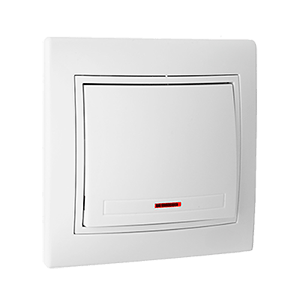
Dimmers

LED dimmers let you adjust the brightness of your lighting to suit every moment: more light for working, less for relaxing, and always with lower consumption. At GreenIce you'll find dimmers for 230 V fixtures, for 12-24 V LED strips and for drivers with 0-10 V or 1-10 V control, with remote control or back-box mounting.

Types of LED dimmers

  • 230 V LED dimmer (200-250 VAC): dims from 10 to 100% and handles up to 630 W. Used with mains-connected dimmable LED bulbs and fixtures.
  • 90-240 VAC LED dimmer with remote control: 0 to 100% dimming for loads up to 200 W, useful when you don't want to touch the wall device.
  • 12-24 VDC LED dimmer with remote: installed between the power supply and the LED strip, for loads from 96 to 192 W.
  • 1-10 V dimmer (5-100%): sends an analog control signal to compatible drivers, common with panels and industrial high bays.
  • 0-10 V dimmer/controller, 10 A and 800 W: combines 0-10 V signal control with switching the fixtures' power supply.

Where to use an LED dimmer

At home, dimmers are perfect for living rooms, dining rooms and bedrooms, where you'll want to lower the light at night. In shops, restaurants and offices they let you adjust lighting levels to natural daylight and create different moods. With LED strips, a low-voltage dimmer turns a simple line of light into a dimmable decorative feature.

For dimming to work properly, the rest of the installation must be compatible: check our dimmable drivers, 0-10 V and TRIAC drivers, and our LED strip controllers.

How to choose an LED dimmer

Load type and voltage

First, know what you're going to dim: 230 V fixtures, 12/24 V LED strips or drivers with a 0-10 V or 1-10 V control input. Each case needs a different dimmer.

Maximum load

Add up the wattage of all the fixtures on the circuit and leave a safety margin below the dimmer's maximum load.

Compatibility

Bulbs and fixtures must be marked as dimmable. If they aren't, they may flicker or be damaged when connected to a dimmer.

Dimming range

Some dimmers go down to 0%, others to 5 or 10%. If you want very low light levels, choose a model with a wide range.

Control method

Remote control, push button or wall device: choose the most convenient option for how the room is used.

Frequently asked questions

Why does my LED light flicker with a dimmer?

Usually because of incompatibility between the dimmer and the fixture, or because the load is below the dimmer's minimum.

Can I dim a 24 V LED strip with a 230 V dimmer?

No. You need a low-voltage dimmer installed after the power supply.

At GreenIce you get fast shipping, a warranty on all products and technical advice to choose the right dimmer for your installation.


Dimmers

LED dimmers let you adjust the brightness of your lighting to suit every moment: more light for working, less for relaxing, and always with lower consumption. At GreenIce you'll find dimmers for 230 V fixtures, for 12-24 V LED strips and for drivers with 0-10 V or 1-10 V control, with remote control or back-box mounting.

Types of LED dimmers

  • 230 V LED dimmer (200-250 VAC): dims from 10 to 100% and handles up to 630 W. Used with mains-connected dimmable LED bulbs and fixtures.
  • 90-240 VAC LED dimmer with remote control: 0 to 100% dimming for loads up to 200 W, useful when you don't want to touch the wall device.
  • 12-24 VDC LED dimmer with remote: installed between the power supply and the LED strip, for loads from 96 to 192 W.
  • 1-10 V dimmer (5-100%): sends an analog control signal to compatible drivers, common with panels and industrial high bays.
  • 0-10 V dimmer/controller, 10 A and 800 W: combines 0-10 V signal control with switching the fixtures' power supply.

Where to use an LED dimmer

At home, dimmers are perfect for living rooms, dining rooms and bedrooms, where you'll want to lower the light at night. In shops, restaurants and offices they let you adjust lighting levels to natural daylight and create different moods. With LED strips, a low-voltage dimmer turns a simple line of light into a dimmable decorative feature.

For dimming to work properly, the rest of the installation must be compatible: check our dimmable drivers, 0-10 V and TRIAC drivers, and our LED strip controllers.

How to choose an LED dimmer

Load type and voltage

First, know what you're going to dim: 230 V fixtures, 12/24 V LED strips or drivers with a 0-10 V or 1-10 V control input. Each case needs a different dimmer.

Maximum load

Add up the wattage of all the fixtures on the circuit and leave a safety margin below the dimmer's maximum load.

Compatibility

Bulbs and fixtures must be marked as dimmable. If they aren't, they may flicker or be damaged when connected to a dimmer.

Dimming range

Some dimmers go down to 0%, others to 5 or 10%. If you want very low light levels, choose a model with a wide range.

Control method

Remote control, push button or wall device: choose the most convenient option for how the room is used.

Frequently asked questions

Why does my LED light flicker with a dimmer?

Usually because of incompatibility between the dimmer and the fixture, or because the load is below the dimmer's minimum.

Can I dim a 24 V LED strip with a 230 V dimmer?

No. You need a low-voltage dimmer installed after the power supply.

At GreenIce you get fast shipping, a warranty on all products and technical advice to choose the right dimmer for your installation.