Fuses
Fuses are among the simplest and most reliable protective devices in any electrical installation: when the current exceeds their rated value, they blow and cut the circuit before cables, equipment or fixtures are damaged. At GreenIce we bring together the installation materials you need to make your LED lighting projects safe and long-lasting.
Most common types of fuses
There are different fuse formats depending on the type of installation and the current they need to protect:
- Diazed fuses (DII, DIII): screw-in fuses with a ceramic cartridge, widely used in distribution boards and service entrances. They fit into their fuse base and are easy to replace.
- Cylindrical fuses: cartridges in various sizes (for example 10x38 mm) that fit into isolating fuse holders, common in industrial panels and line protection.
- Blade fuses (NH): designed for high currents in industrial and commercial installations.
- Glass or miniature fuses: found in electronic equipment, power supplies and some drivers.
Where are they used?
Fuses protect lines and equipment in many situations:
- Main and sub-distribution boards in homes, shops and warehouses.
- Supply lines for outdoor lighting and LED street lighting.
- Protecting power supplies, transformers and drivers in LED strip installations.
- Solar PV installations, where they protect strings and equipment against overcurrents.
How to choose a fuse
Rated current (A)
It must match the cable cross-section and the load being protected. An oversized fuse doesn't protect; one that's too small will blow during normal operation.
Rated voltage
Check that the fuse is rated for your installation's voltage (for example 230/400 V AC or the DC voltage of a solar system).
Operating class
General-purpose fuses (gG) protect lines against overloads and short circuits; motor-rated fuses (aM) tolerate inrush currents. Choose according to the type of load.
Format and base
The fuse must fit the base or fuse holder you already have installed. Check the size and mounting system before buying.
Frequently asked questions
What's the difference between a fuse and a circuit breaker?
Both protect against overcurrents, but a fuse blows and has to be replaced, while a circuit breaker can be reset. Fuses are still widely used for their reliability and high breaking capacity.
Can I replace a fuse with a higher-amp one?
It's not recommended: the fuse is sized to protect the cable. If it blows frequently, have the installation checked by a professional.
Complete your installation with our installation materials and LED components and our switches and dimmers. At GreenIce you get fast shipping and technical advice to choose the right protection.
-
Supplier:GreenIce
Neozed Do3 Fuse 80A [E3-62740]
Usual price £2.49Usual priceUnit price / by£3.31Offer price £2.49 Discount -24%Delivery in 48 hCharacteristics- Warranty 3 years
Offer -
Supplier:GreenIce
Fuse Mt1 25A (14.3X51) [E3-62501]
Usual price £0.60Usual priceUnit price / by£0.79Offer price £0.60 Discount -24%Delivery in 48 hCharacteristics- Warranty 3 years
Offer -
Supplier:GreenIce
Fuse Mt1 40A (14.3X51) [E3-62503]
Usual price £0.69Usual priceUnit price / by£0.93Offer price £0.69 Discount -25%Delivery in 48 hCharacteristics- Warranty 3 years
Offer -
Supplier:GreenIce
Metropol Fuse 16A [E3-62100]
Usual price £0.66Usual priceUnit price / by£0.88Offer price £0.66 Discount -25%Delivery in 48 hCharacteristics- Warranty 3 years
Offer -
Supplier:GreenIce
Metropol Fuse 20A [E3-62101]
Usual price £0.33Usual priceUnit price / by£0.45Offer price £0.33 Discount -26%Delivery in 48 hCharacteristics- Warranty 3 years
Offer -
Supplier:GreenIce
Neozed Do2 Fuse 50A [E3-62733]
Usual price £0.60Usual priceUnit price / by£0.60Offer price £0.60 Discount %Delivery in 48 hCharacteristics- Warranty 3 years
Product comparator
Similar categories
-
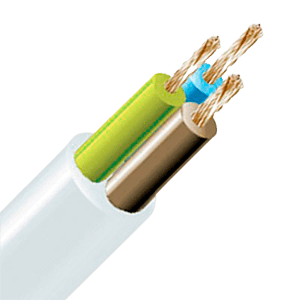
Electric cables
Electrical cables are the foundation of any installation, from wiring a lamp...
-
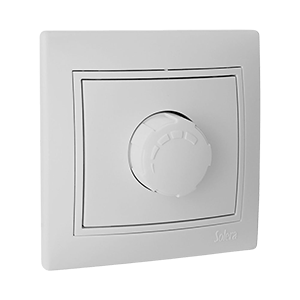
Switches and Dimmers
The Switches and Dimmers provide single, double, push button, touch switches, switches,...
-
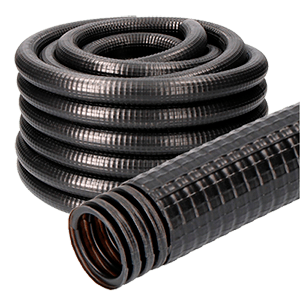
Gutters and corrugated pipes
Cable trunking and corrugated conduit are essential for protecting and routing wiring...
-
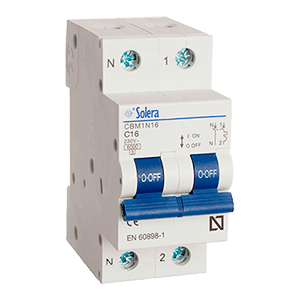
Differentials and Protections
RCDs and circuit protection devices are the guardians of any electrical installation:...
-
Power Outlets
At the Power Outlets there can be found power outlets for surface...
-
Lamp holder
Lamp holder strings are the most versatile way to build your own...
-
Lighting Capacitors
Lighting capacitors are a key component in the control gear of discharge...
Fuses
Fuses are among the simplest and most reliable protective devices in any electrical installation: when the current exceeds their rated value, they blow and cut the circuit before cables, equipment or fixtures are damaged. At GreenIce we bring together the installation materials you need to make your LED lighting projects safe and long-lasting.
Most common types of fuses
There are different fuse formats depending on the type of installation and the current they need to protect:
- Diazed fuses (DII, DIII): screw-in fuses with a ceramic cartridge, widely used in distribution boards and service entrances. They fit into their fuse base and are easy to replace.
- Cylindrical fuses: cartridges in various sizes (for example 10x38 mm) that fit into isolating fuse holders, common in industrial panels and line protection.
- Blade fuses (NH): designed for high currents in industrial and commercial installations.
- Glass or miniature fuses: found in electronic equipment, power supplies and some drivers.
Where are they used?
Fuses protect lines and equipment in many situations:
- Main and sub-distribution boards in homes, shops and warehouses.
- Supply lines for outdoor lighting and LED street lighting.
- Protecting power supplies, transformers and drivers in LED strip installations.
- Solar PV installations, where they protect strings and equipment against overcurrents.
How to choose a fuse
Rated current (A)
It must match the cable cross-section and the load being protected. An oversized fuse doesn't protect; one that's too small will blow during normal operation.
Rated voltage
Check that the fuse is rated for your installation's voltage (for example 230/400 V AC or the DC voltage of a solar system).
Operating class
General-purpose fuses (gG) protect lines against overloads and short circuits; motor-rated fuses (aM) tolerate inrush currents. Choose according to the type of load.
Format and base
The fuse must fit the base or fuse holder you already have installed. Check the size and mounting system before buying.
Frequently asked questions
What's the difference between a fuse and a circuit breaker?
Both protect against overcurrents, but a fuse blows and has to be replaced, while a circuit breaker can be reset. Fuses are still widely used for their reliability and high breaking capacity.
Can I replace a fuse with a higher-amp one?
It's not recommended: the fuse is sized to protect the cable. If it blows frequently, have the installation checked by a professional.
Complete your installation with our installation materials and LED components and our switches and dimmers. At GreenIce you get fast shipping and technical advice to choose the right protection.
Subscribe and get discounts and promotions
Subscribe to the Newsletter at the time of purchase and get a 5% discount on your order.
- When selecting an option, the entire page is updated.
- It opens in a new window.